Fall Home Maintenance Checklist
The first cold snap has a way of finding every weak spot in a house. A loose shingle, a clogged gutter, a drafty back door, or a furnace that hasn’t run since spring can all turn into bigger problems once temperatures drop.
The good news is that most fall prep is simple if you don’t wait until the week before the first freeze.
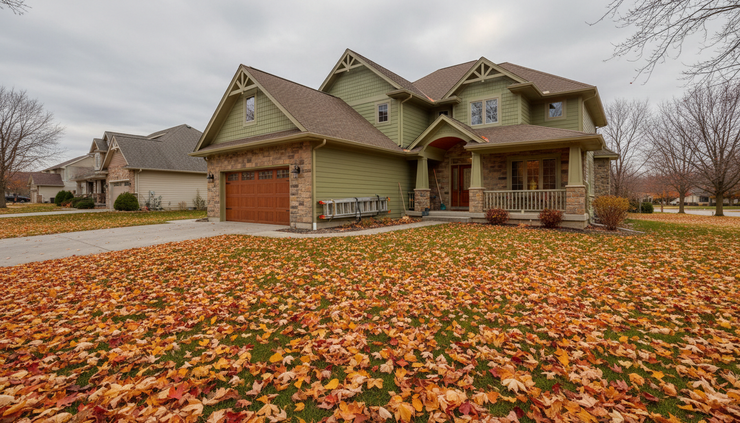
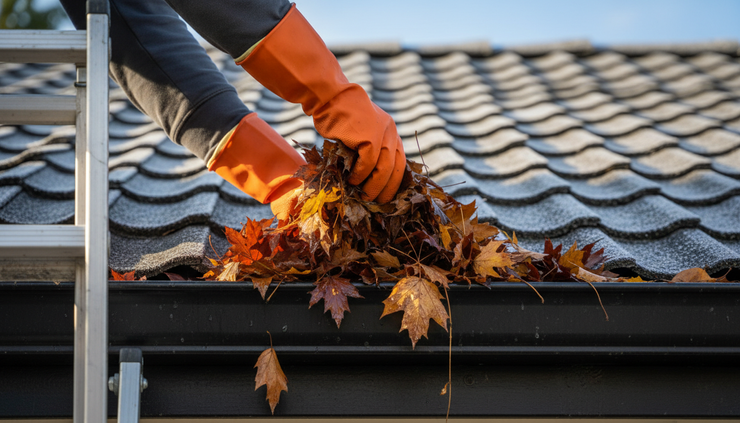
Inspect the roof and gutters before leaves pile up
Your roof and gutters take a beating in winter. Snow, ice, wind, and freezing rain can turn small problems into leaks fast. A little roof and gutter maintenance in the fall can help prevent water damage, ice dams, and expensive emergency repairs.
Start from the ground if you can and look for:
Missing, curled, or cracked shingles
Rusted or loose flashing around chimneys and vents
Sagging gutters
Branches touching the roof
Dark spots or moss growth
Granules collecting near downspouts
For busy households, gutter scoops and a plumber’s snake can save time. A garden hose also helps check if downspouts are flowing freely. Water should move away from the foundation, not pool next to the house.
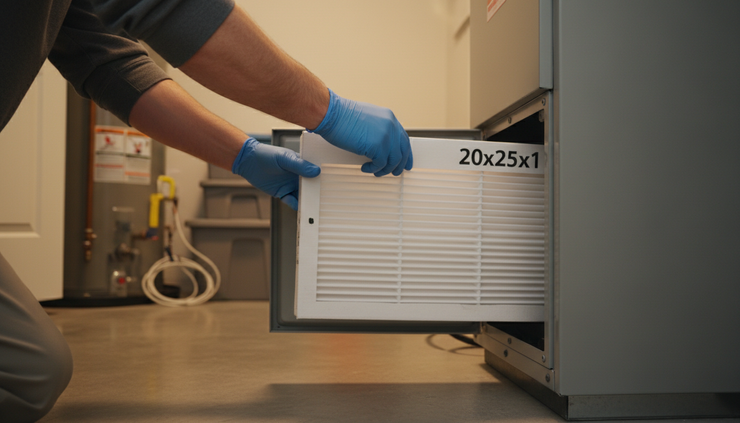
Check the heating system before you need it every day
Don’t wait until the first bitter night to find out your furnace won’t start. A heating system check before fall gives you time to fix problems before HVAC companies get slammed with emergency calls.
Here’s what most homeowners can do safely:
Replace or clean the furnace filter
Switch the thermostat to heat and test the system
Make sure vents and returns aren’t blocked by furniture or rugs
Check that the area around the furnace is clear
Listen for unusual banging, squealing, or rattling
Look for water around the unit or signs of rust
If your system uses natural gas, don’t ignore odd smells. Leave the house and call your gas utility if you smell gas. For boilers, heat pumps, or older systems, book a professional tune-up once a year. A technician can inspect burners, electrical parts, safety controls, and airflow.
If you have a fireplace or wood stove, add that to the list too. The National Fire Protection Association recommends that chimneys, fireplaces, and vents be inspected at least once a year. Creosote buildup can be a fire risk, and animals sometimes nest in flues during warmer months.
A quick safety upgrade is to test smoke alarms and carbon monoxide detectors while you’re working on the heating system. Replace batteries if needed, and check the expiration date on the detector itself.
Seal windows and doors to stop drafts
Drafts do more than make a room feel chilly. They force your heating system to work harder, which can raise energy use. The U.S. Department of Energy recommends air sealing and weatherstripping as practical ways to reduce unwanted air leaks and improve comfort.
Walk through the house on a cool, windy day. Check around:
Window frames
Exterior doors
Baseboards on outside walls
Attic hatches
Basement windows
Outlets on exterior walls
To find drafts, use your hand, a lit incense stick, or a thin piece of tissue. If the smoke or tissue moves, you’ve found an air leak.
For DIY home maintenance fall projects, sealing is one of the most budget-friendly. Try these fixes:
Weatherstripping
Use it around doors and movable window parts. Choose foam tape for an easy fix, or vinyl/rubber products for better durability.
Caulk
Use exterior-grade caulk around fixed gaps, such as window trim or siding joints. Don’t caulk over weep holes at the bottom of windows, since those allow water to drain.
Door sweeps
Install one if you can see daylight under an exterior door. That small gap can let in a surprising amount of cold air.
Insulating window film
This is helpful for older windows, rentals, or homes where window replacement isn’t in the budget.
If you’re prepping a home for a fall listing, these small fixes matter. Buyers may not notice every bead of caulk, but they will notice a cold room or a door that whistles when the wind picks up.
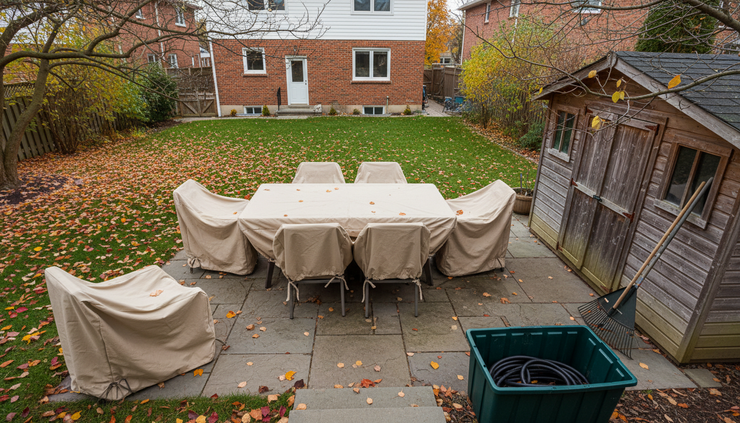
Prepare outdoor spaces for winter weather
Fall yard prep for winter protects your house, tools, and weekend projects. Start with water, because frozen water causes some of the most common cold-weather headaches.
Disconnect garden hoses before freezing temperatures arrive. Drain them, store them, and shut off interior valves to outdoor spigots if your home has them. If you have an irrigation system, schedule a blowout before overnight freezes become common.
Next, look at the areas around your home:
Trim branches near the roof, siding, and power lines
Rake leaves away from foundation vents and basement windows
Store patio cushions, umbrellas, and lightweight furniture
Cover or move grills according to the manufacturer’s instructions
Drain fuel from seasonal equipment or add fuel stabilizer
Clean and store lawn tools so they’re ready in spring
Make a simple fall maintenance schedule
The easiest way to finish your home maintenance before cold weather is to stop treating it like one giant weekend project. Break it into smaller jobs across a few weeks.
Here’s a simple schedule you can adjust.
Timeframe | What to do |
Early fall | Walk the property, check roof from the ground, schedule heating service |
Mid fall | Clean gutters, seal drafts, test smoke and carbon monoxide detectors |
Late fall | Disconnect hoses, store outdoor items, prep snow tools |
Before first freeze | Confirm spigots are winterized and thermostat settings are ready |
Also, be honest about what’s safe for you. There’s no prize for climbing onto a wet roof or wrestling heavy patio furniture alone. Ask for help, rent the right tool, or hire the job out when needed.
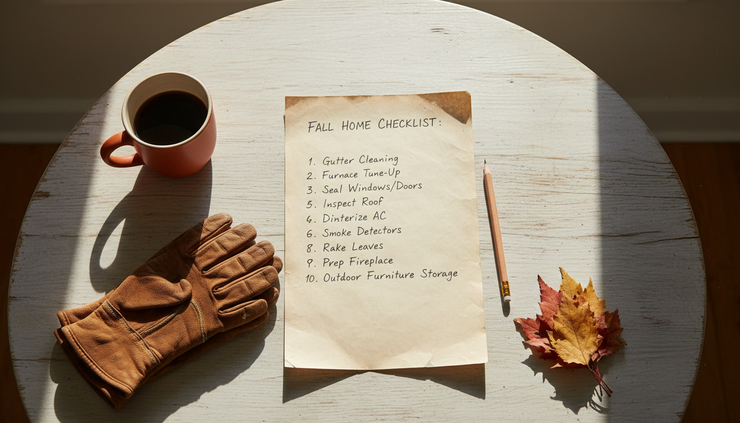
Fall prep doesn’t have to be complicated. Focus on the areas that protect your home from water, cold air, and heating problems. If you check the roof and gutters, service the heating system, seal drafts, and prepare outdoor spaces, you’ll head into colder weather with fewer surprises and a lot more peace of mind.
~ Shane Hubble


Comments