Best Kitchen Remodel ROI to Maximize Home Value
Updated: Sep 8
A kitchen remodel can raise a home’s appeal fast, but the highest return rarely comes from the biggest budget. Buyers notice clean cabinets, durable surfaces, good lighting, and a layout that works. They are less likely to pay extra for luxury finishes that only match one person’s taste.
The best kitchen remodel ROI usually comes from smart, visible upgrades that make the room feel newer without overbuilding for the neighborhood. Think practical, durable, and broadly appealing.
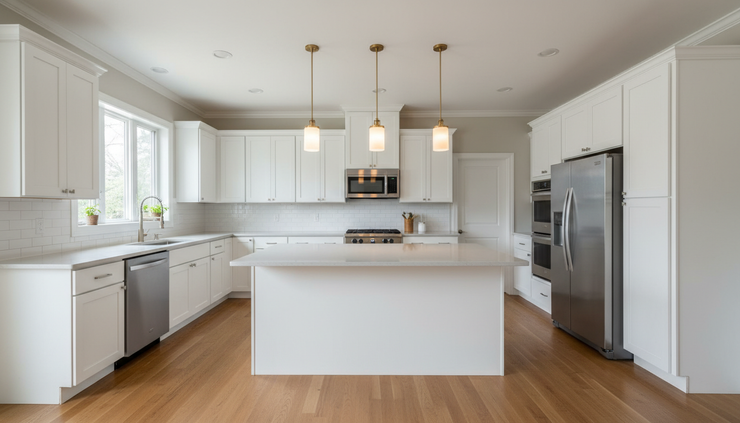
Start with a minor remodel before planning a full gut job
A minor kitchen remodel often delivers stronger value than a high-end overhaul because it improves the room without replacing everything. If the layout works, keeping plumbing, gas lines, and major electrical runs in place can save a large share of the budget.
A practical minor remodel may include:
Painting or refacing cabinets
Replacing old hardware
Installing new countertops
Updating lighting
Adding a fresh backsplash
Replacing a worn sink and faucet
Swapping dated appliances for efficient models
This type of remodel makes the kitchen look current while avoiding the cost of demolition, custom cabinetry, and structural changes. A full gut remodel can still make sense when the kitchen is damaged, cramped, or poorly designed. For ROI, though, the first question should be simple: Can the kitchen feel new without moving the walls?
Refresh cabinets instead of replacing them
Cabinets take up the most visual space in most kitchens. They also tend to be one of the most expensive items to replace. If the cabinet boxes are solid, a refresh can create a major change for much less than a full replacement.
Good cabinet ROI projects include:
Painting stained or dated cabinets in a neutral color
Refacing doors and drawer fronts
Replacing worn hinges and slides
Adding modern pulls or knobs
Installing soft-close hardware
White, warm gray, greige, navy, and natural wood tones tend to age well. Very trendy colors can look great in listing photos, but they may narrow the buyer pool. If resale is the goal, choose finishes that work with several styles.
Cabinet refreshes also help older kitchens feel clean. That matters. Buyers may forgive a kitchen that is not luxurious, but peeling laminate, sticky drawers, and mismatched doors can signal deferred maintenance.
Choose countertops that look durable and easy to maintain
Countertops shape the first impression of a kitchen. They are touched every day, photographed in listings, and judged quickly during showings.
Quartz is popular because it offers a clean look and low maintenance. Granite can still work well, especially in homes where natural stone fits the style. Butcher block can add warmth, though it needs more care near wet areas.
The key is to match the countertop to the home’s price range. A luxury stone slab may not pay off in a modest home if nearby buyers expect function over premium finishes.
Upgrade | ROI-friendly choice | What to avoid |
Countertops | Quartz, simple granite | Rare stone that costs far more than nearby homes support |
Cabinet color | Soft white, warm neutral, natural wood | Loud colors that dominate the room |
Hardware | Simple pulls in brushed nickel, black, or brass | Highly ornate styles that date quickly |
Backsplash | Classic tile in a simple pattern | Busy mosaics that clash with future decor |
Improve lighting so the kitchen feels bigger and cleaner
Lighting is one of the most overlooked kitchen upgrades, yet it has a strong effect on how buyers feel in the space. A dim kitchen can make even new finishes look dull. A well-lit kitchen feels cleaner, larger, and easier to use.
Focus on three types of lighting.
Ceiling lighting
Recessed lights or a clean flush-mount fixture can brighten the whole room. If the kitchen has an old fluorescent box, replacing it can make the space feel decades newer.
Task lighting
Under-cabinet lighting helps with food prep and adds a polished look in the evening. It is especially useful in kitchens with deep upper cabinets that cast shadows on the workspace.
Feature lighting
Pendant lights over an island or peninsula can create a focal point. Keep the scale right. Oversized fixtures may look dramatic, but they can crowd a smaller kitchen.
Choose warm, natural-looking bulbs. Extremely cool light can make a kitchen feel harsh, while very yellow light can make white cabinets and countertops look dingy.
Keep the layout if it already works
Moving plumbing, gas lines, vents, and walls can eat up a remodeling budget before any visible finish goes in. That does not mean layout changes are always wrong. A kitchen with a blocked walkway, limited counter space, or no clear work zones may need a smarter plan.
For ROI, look for low-disruption layout fixes first:
Add a small island only if walkways stay comfortable
Replace a bulky island with a slimmer one
Convert a desk nook into pantry storage
Add pull-out shelves inside existing cabinets
Extend cabinets to the ceiling where the room allows
Remove a non-load-bearing upper cabinet that blocks sightlines
Storage matters as much as square footage. A compact kitchen with smart drawers, pantry pull-outs, and organized corners can feel more useful than a larger kitchen with wasted space.
Upgrade appliances with restraint
New appliances can help sell a kitchen, especially when the current ones are old, mismatched, or visibly worn. Stainless steel remains a safe choice in many homes, though panel-ready or matte finishes may fit some higher-end designs.
For most ROI-focused remodels, choose reliable midrange appliances rather than premium commercial-style models. Buyers like the look of new appliances, but they may not pay enough extra to justify the most expensive brands.
A smart package might include:
A quiet dishwasher
A range that fits the existing opening
A refrigerator with practical storage
A microwave or range hood that suits the layout
If the budget is tight, replace the most visible or weakest appliance first. A dented refrigerator or yellowed dishwasher can drag down the whole room.
Add a backsplash that looks clean rather than flashy
A backsplash is a relatively small surface, but it can change the whole feel of the kitchen. Classic subway tile, handmade-look ceramic tile, simple stone, or a clean slab backsplash can all work well.
The safest ROI choice is a backsplash that supports the design instead of competing with it. Buyers should notice that the kitchen feels finished, not wonder whether their dishes, furniture, or paint colors will clash.
Good backsplash choices tend to be:
Easy to wipe clean
Neutral or softly textured
Scaled to the room
Installed with neat grout lines
Consistent with the countertop and cabinet style
If the countertop already has strong movement, use a quieter backsplash. If the cabinets and counters are simple, a lightly textured tile can add interest without overwhelming the room.
Replace small details that make the kitchen feel dated
Small upgrades can carry surprising weight because buyers notice them up close. These changes are also useful when a full remodel is not realistic.
High-impact details include:
A modern faucet
A deeper sink
Updated cabinet pulls
Fresh outlet covers
New switch plates
Clean caulk around counters and sinks
Matching vent covers
Fresh paint on walls and trim
A new sink and faucet can be especially effective. They sit in the center of daily kitchen use, and they are easy for buyers to imagine using right away.
Paint is another strong value choice. A fresh neutral wall color can make cabinets, counters, and flooring feel more intentional. It also helps remove signs of wear from cooking, pets, and daily life.
Choose flooring that connects with the rest of the home
Kitchen flooring should be durable, easy to clean, and visually connected to nearby rooms. A floor that stops abruptly or clashes with adjacent spaces can make the home feel chopped up.
Hardwood, engineered wood, luxury vinyl plank, tile, and quality laminate can all work depending on the home and budget. The best choice is the one that fits the surrounding rooms and expected use.
For resale, avoid flooring that is too delicate or too personal. Glossy white tile may look sharp in photos, but it can show every crumb. Very dark floors can show dust and scratches. Busy patterns may limit the buyer’s imagination.
If nearby rooms have hardwood, matching or complementing that tone can make the kitchen feel larger. If the home has an open floor plan, flooring consistency becomes even more important.
Avoid overbuilding for the neighborhood
The most expensive kitchen on the block is not always the most profitable. ROI depends on what buyers in the area expect and what comparable homes offer. A premium remodel in a neighborhood of modest homes may make the property sell faster, but it may not return the full cost.
Before setting the budget, look at recent listings nearby and note the kitchen features in homes that sold quickly. Pay attention to:
Cabinet condition and style
Countertop materials
Appliance level
Flooring type
Island size
Overall finish quality
The goal is to meet or slightly exceed buyer expectations, not create a showpiece that feels out of place. Restraint is often a value strategy.
Spend where buyers see and feel the difference
A kitchen remodel aimed at resale should make the room feel clean, functional, and move-in ready. The strongest projects usually improve the surfaces buyers notice first and the features they use every day.
Best-value kitchen remodel priorities often include:
Refreshing cabinets
Replacing tired countertops
Improving lighting
Updating sink, faucet, and hardware
Choosing durable flooring
Adding a simple backsplash
Replacing worn appliances
A beautiful kitchen can help a home stand out, but beauty alone is not the goal. The better plan is to create a kitchen that feels current, works well, and fits the home’s market. Spend on the upgrades that make daily life easier and keep the design broad enough for the next owner to love.
~ Shane Hubble


Comments